Water Extraction and Structural Drying
Request an estimate
Water extraction pulls standing water out of your home. Structural drying removes the moisture that soaks into walls, floors and framing. Both steps matter. Skip the second one and hidden damp can lead to mold, warped floors and bad smells. Digitalelite Restoration is a referral service. It does not do the work. It connects you with an independent local provider in our network who does.
You send a request. A provider reviews the job and gives you a written quote. The provider brings the pumps, air movers, dehumidifiers and moisture meters. Local weather matters too. Winter rain, smoke seasons and dry spells all change how drying is set up. Ask questions, compare quotes, and pick the provider that fits your home and your budget.
Standing Water? Start Here
Get the water out. Then dry what is left. That is the whole job in two lines.
The reason is simple. Water does not stay on the floor. It moves into drywall, baseboards, carpet pad and framing. Extraction handles the puddles. Drying handles everything you cannot see.
Digitalelite Restoration is a referral service. Referral, not repair. The provider does the work.
Make It Safe First
Safety comes before cleanup. Do these things only if they are safe to do:
- Shut off the main water valve if a pipe or appliance is the source.
- Turn off power to wet rooms at the panel. Do not step into deep water to reach it.
- Stay out of water near outlets, cords or appliances.
- Keep kids and pets out of the wet area.
If you are unsure about power, wait for a pro. Your safety matters more than the floor.
Why Fast Extraction Matters
Wet drywall wicks water upward. Wood swells. Carpet pad holds water like a sponge. Mold can start to grow in a couple of days when materials stay damp.
Many providers can respond quickly, but availability varies. Request a callback to check provider availability, or send a request and let a provider reach out.
How Water Extraction Works
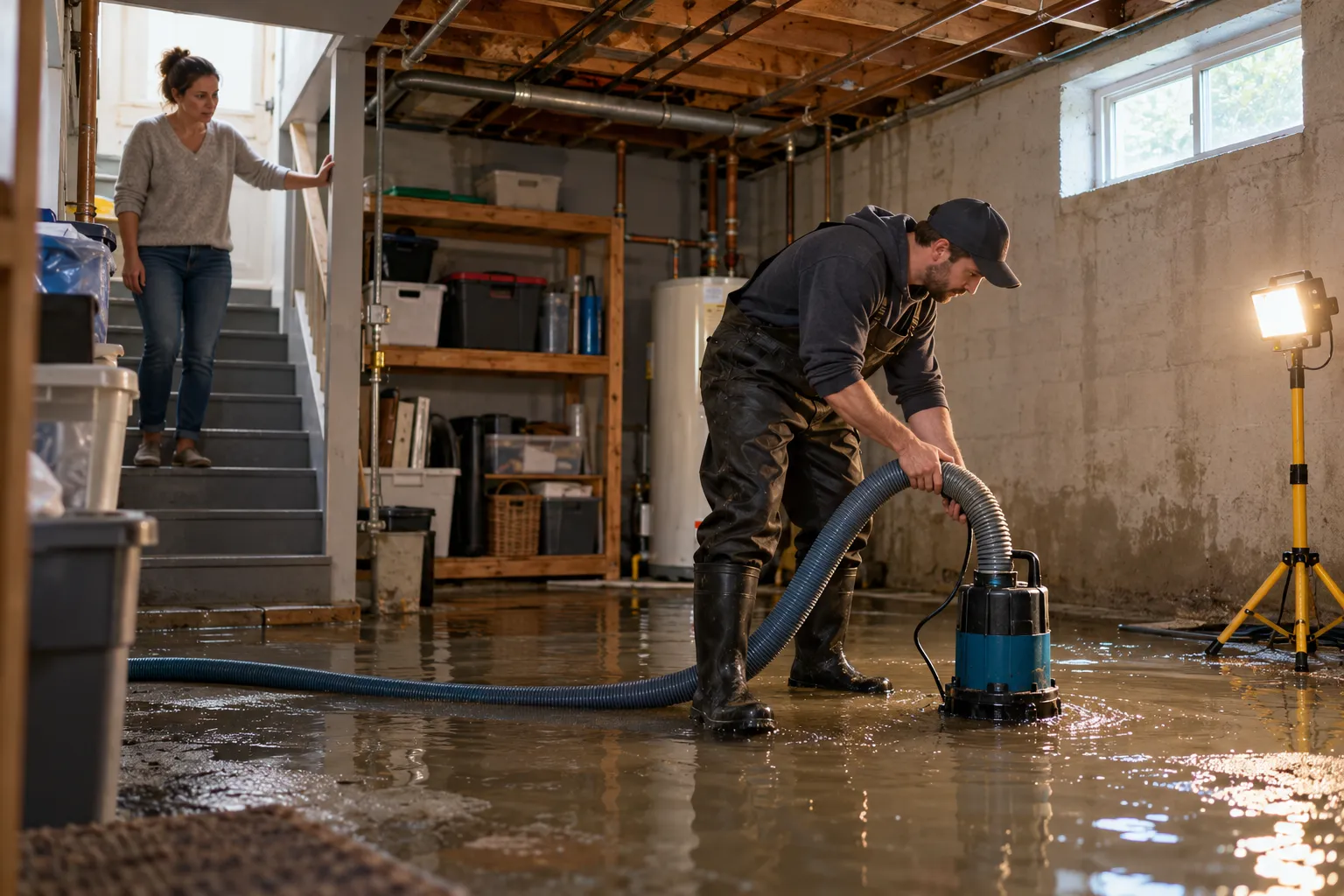
The provider removes bulk water first. The tools depend on how much water there is.
- Submersible pumps clear deep water.
- Truck-mounted or portable extractors pull water from carpet and pad.
- Wet vacuums handle corners, stairs and tile.
Some carpet can be saved. Pad is often removed because it dries slowly. The provider will explain what stays and what goes.
Where the Water Came From Changes the Plan
Clean water from a supply line is the simplest case. Water from a washer drain or dishwasher is dirtier. Sewage or outside floodwater is the worst case.
Dirty water often means porous materials get removed, not dried. Ask the provider which kind of water you have and why they chose that plan.
How Structural Drying Works
Drying starts after the water is out. The provider sets up gear and tracks progress.
- Air movers push dry air across wet surfaces.
- Dehumidifiers pull moisture out of the air.
- Moisture meters check walls, floors and framing.
- Small holes or lifted baseboards let air reach wall cavities.
Good providers take readings at the start and again on return visits. Numbers tell the story, not guesses.
Slab Homes, Raised Foundations and Older Bungalows
Home type changes the job. Stucco ranch homes on slabs often hold water under flooring and at the base of walls. Raised foundations add a crawl space and subfloor to check. Older bungalows may have plaster walls and hardwood that need slower, careful drying.
Tell the provider your home type and age. It helps them plan.
How Long Does Drying Take?
Most jobs run about three to five days. Big losses, thick materials and humid weather can stretch that. Small spills can finish sooner.
The provider should explain the target readings and the plan. Drying is done when the numbers say so, not when the room feels dry.
Winter Rain and Smoke Season
The season changes the setup. In winter rain events, outdoor air is damp, so providers keep the space closed and lean on dehumidifiers. Roof leaks and runoff can also add new water mid-job.
During wildfire smoke seasons, open windows are a bad idea. Air movers can pull in smoke and ash. Ask about air filters and a closed drying setup.
In long dry seasons, dry air helps drying. But pipes, water heaters and appliances still fail. Check them before the rain starts.
What You Can Do While You Wait
Small steps help. Keep them simple:
- Take photos and video of the damage before anything moves.
- Lift small items and furniture off wet floors.
- Pull up rugs you can carry. Hang them to dry.
- Mop up small puddles with towels.
- Keep the area closed off if smoke is in the air.
What Not to Do
Do not use a standard vacuum on water. Do not crank the heat in a closed room and hope. Do not paint or cover wet walls. Do not ignore a musty smell. Each one can hide a bigger problem.
How Digitalelite Restoration Routes Your Request
Here is how it works. You send a request. Digitalelite Restoration passes it to an independent local provider in our network. The provider contacts you, looks at the job and gives you a written quote.
You are not obligated to hire anyone. Call hours vary by provider. The provider sets the scope, price and schedule, not Digitalelite Restoration.
Questions to Ask the Provider
- What kind of water is this, and how do you handle it?
- How many air movers and dehumidifiers will you use?
- How will you measure moisture, and how often?
- What gets removed, and what stays?
- What is in the written quote, and what could change it?
Insurance and Paperwork
Some policies may cover sudden damage. Check your policy. Providers can often help document damage for a claim, such as photos and moisture readings. Ask what records they keep.
When the Drying Is Done
The provider takes final readings and removes the equipment. Repairs like new drywall, paint or flooring are a separate step. Ask whether the same provider handles that or if you need another one.
What's Included
Standing Water Removal
Pumps and extractors pull water from floors, carpet and low spots before it spreads further into the home.
Moisture Mapping
Meters find hidden damp in walls, floors and framing so nothing gets missed.
Air Movers and Dehumidifiers
Equipment is set up to push dry air across surfaces and pull moisture from the room.
Progress Checks and Records
The provider tracks moisture readings and can often share records to help with an insurance claim.
Typical U.S. Costs for Extraction and Drying
These are typical U.S. ranges. Real prices vary by job size, water type and home. Always ask for a written quote before work starts. Ranges here are not offers.
| Item | Typical range | Notes |
|---|---|---|
| Small water extraction (one room) | $250 – $1,000 | Depends on depth and flooring type |
| Whole-floor extraction | $1,000 – $3,500 | Larger area, more time and pump use |
| Structural drying equipment (3–5 days) | $800 – $3,000 | Number of fans and dehumidifiers drives price |
| Moisture mapping and monitoring | $150 – $500 | Often bundled into the drying quote |
| Carpet pad removal and disposal | $300 – $1,000 | Needed when pad stays wet |
| Sewage or floodwater jobs | $3,000 – $10,000+ | Extra safety steps and material removal |
How It Works
Send Your Request
Fill out the short form with your address, what happened and when it started.
Provider Reaches Out
A local provider in our network contacts you to ask a few questions.
Review the Quote
The provider assesses the damage and gives you a written quote to review.
Extraction, Then Drying
If you hire the provider, they remove the water and dry the structure.
Why Call Digitalelite Restoration
Honest Referral Model
Digitalelite Restoration connects you with providers. It does not do the work or set the price.
Local Providers
Independent providers in our network know local homes and weather.
Clear Next Steps
You get told what happens after you send a request.
No Obligation
Request an estimate, compare it, and decide on your own terms.
Other Services
Need water extraction and structural drying in Stockton?
Send a request for an estimate, or email contact@digitalelite.world. A local provider in our network follows up. Digitalelite Restoration refers the job. The provider does it.
No obligationWater Extraction and Structural Drying FAQ
How long does structural drying take after water extraction?
Most jobs take about three to five days. Large losses, thick materials or damp weather can add time. The provider should check moisture readings and tell you when the structure is truly dry.
Can I dry a wet house myself with fans?
Fans help with small spills. But they do not reach water inside walls or under floors. Hidden damp can cause mold. For anything bigger than a small spill, ask a provider to check it.
Does homeowners insurance cover water extraction?
Some policies may cover sudden damage, such as a burst pipe. Others do not cover floods or slow leaks. Check your policy, and ask the provider to help document the damage.
Tell us what happened
Send a request for an estimate, or email contact@digitalelite.world. A local provider in our network follows up. Digitalelite Restoration refers the job. The provider does it.
No obligation